Does Pumpkin Spice still Pack a Punch?
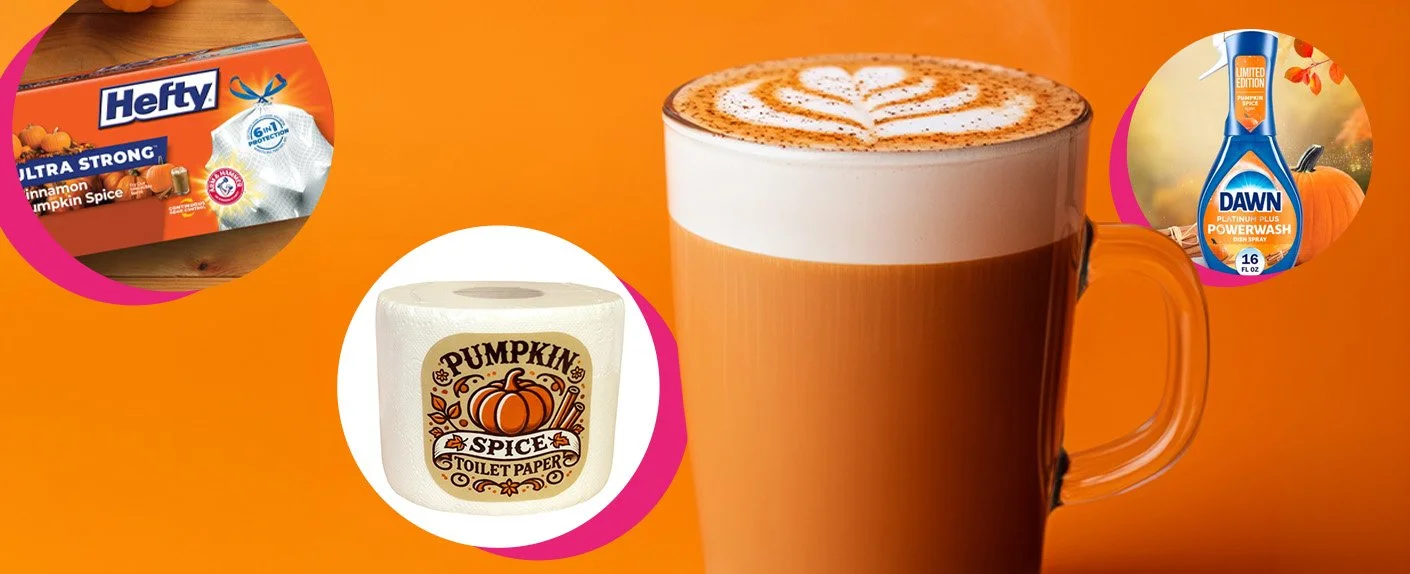
As grey and damp late September sits ahead and the last tastes of summer’s sunshine and heat are left behind in the rear-view, “fall-vibes” storm into our lives - often abruptly - as seasonal flavors hit the shelves…and the advertising cycle - one of which is the illustrious pumpkin spice.
America has had something of an obsessive love affair with pumpkin-flavored treats since the colonial-era, thanks to the introduction of pumpkin pie. A staple of fall and Thanksgiving dinners around the country for over 250 years, the combination of cinnamon, nutmeg, ginger and clove is craved by millions once temperatures in the Northeast drop below 70.
In the early aughts, birthed out of Seattle was a product that altered autumn for eternity - the almighty pumpkin spice latte.
While it’s origins not entirely known - rumored to have been concocted and sold in small coffee shops during the late 90s - Starbucks was the first to corporatize and market the coveted pumpkin spice latte starting in 2003.
Since gaining nationwide attention and appeal, pumpkin spice has ballooned into an industry worth an estimated $1.22 Billion in 2026 in just over two decades since it hit the market.
It’s since become ubiquitous. Adopted by chains and brands nationwide. Put on print ads everywhere, billboards on the highway, digital ads on the subway, all over your instagram algorithm - pumpkin spice has since become unavoidable - and for some, unbearable.
With such a saturation in the market - Hefty literally makes pumpkin spice scented trash bags now…and hang on…is that…pumpkin spice scented toilet paper? - Is pumpkin spice still growing as an industry?
According to Coherent Market Insights, while being worth $1.22 billion in 2026 - the pumpkin spice market is expected to grow to an estimated $2.46 billion in 2033 - thanks to a CAGR of 10.6% annually.
According to their report, while the U.S. has consistently consumed the most pumpkin spice globally, the emerging market is the Asia Pacific region, especially India and China. Much of this has to do with increasing exposure to Western culture and tastes. Coherent found that the rising popularity of cafe and coffee shop culture along with consumption of American media is helping this occur.
Along with this change on the cultural front, multiple multinational food conglomerates have recently opened up operations in Asia in recent years - and local brands are mixing local tastes with the spice. You’ll commonly see products in India using a combination of Indian spices mixed with pumpkin spice.
So while pumpkin spice has had a hold on the American market for 20+ years now, the rest of the world is just getting turned onto it - with plenty of room to grow.
In the meantime, sit back, sip your latte, eat your donuts and pie, and enjoy the changing of the leaves. Happy Fall!