8 million tons.
16,000,000,000 pounds.
That’s how much weight in electronic waste gets thrown out by Americans every year.
Sounds absurd right?
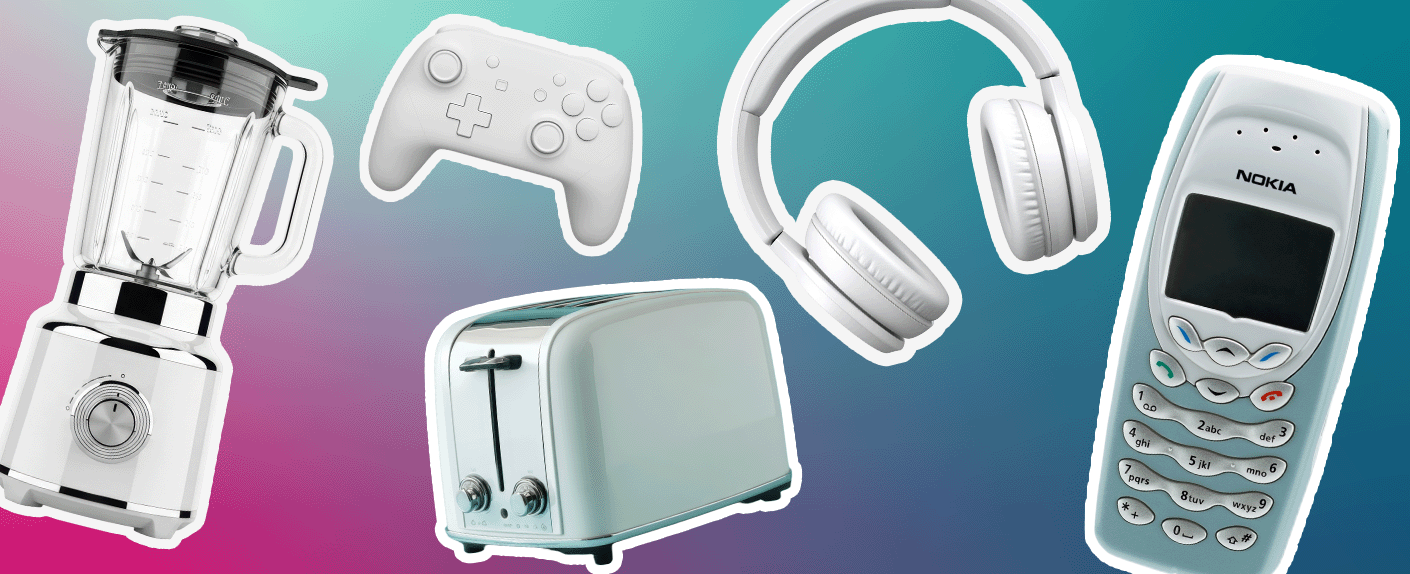
Think about it - toasters, calculators, cell phones, air fryers, TV’s, remote controls, gaming systems, computers, laptops, CD players, DVD players - the list goes on. And what happens in a couple years when the consumer replaces all of those gadgets again with the newest model?
Whether we’d like to admit it or not - sustainability is not the average American consumer’s strong suit - but a rising movement in communities known as “The Library of Things” is looking to quell these jarring numbers.
Across the US, Library of Things are popping up, creating a borrowing system of typically high-cost, seldom-used household items such as specific cook-ware or appliances. Along with this, the library will typically offer tools, art supplies, games, sports equipment for borrowing.
Though the concept is not entirely modern (in 1894, you could borrow a tennis racket or a board game from the library in St. Louis), it is certainly being viewed in today’s day and age through the lens of sustainability, providing equitable access to resources and fostering a more collectivist, sharing community.
In 2014, a group of friends in the West Norwood neighborhood of London decided to run a 3-month experiment at their local library, trying to determine whether folks would prefer to borrow rather than buy and waste. Since then, they have saved residents upwards of £10 million, have prevented 480+ tons of waste, and have grown to 39,000+ members…
This is just one neighborhood in London!
Imagine the impact if every town or community in the US partook in the LOT movement.
Check and see if your local library has one - and if not, consider getting one started. You’d be doing a good thing.